
1
Species fit
Make sure the quote is built for a cat, not borrowed from a dog example.
A useful cat-plan comparison does not need a “top five.” It needs a clean map of the plan types and contract terms that change what you pay when your cat actually needs veterinary care.

Keep accident-only, accident-and-illness, and wellness benefits in separate columns. They solve different financial problems.
Words such as “complete,” “premium,” or “comprehensive” are not substitutes for the policy schedule, exclusions, and reimbursement rules.
The name of the plan matters less than what each layer actually does.
| Layer | Main purpose | Questions to ask |
|---|---|---|
| Accident-only | Eligible unexpected injuries | Which injuries, diagnostics, procedures, and medications are covered? |
| Accident & illness | Eligible new accidents plus illnesses | How are pre-existing conditions, chronic conditions, hereditary issues, and waiting periods handled? |
| Wellness / preventive | Scheduled routine care | Is this insurance coverage, an endorsement, a benefit schedule, or a separate wellness program? |
Feline life-stage guidance emphasizes that care needs change from kitten to young adult, mature adult, and senior. From an insurance perspective, that means the same cat can accumulate very different medical history over time. When you compare plans, use your cat’s age and actual record to stress-test the contract.
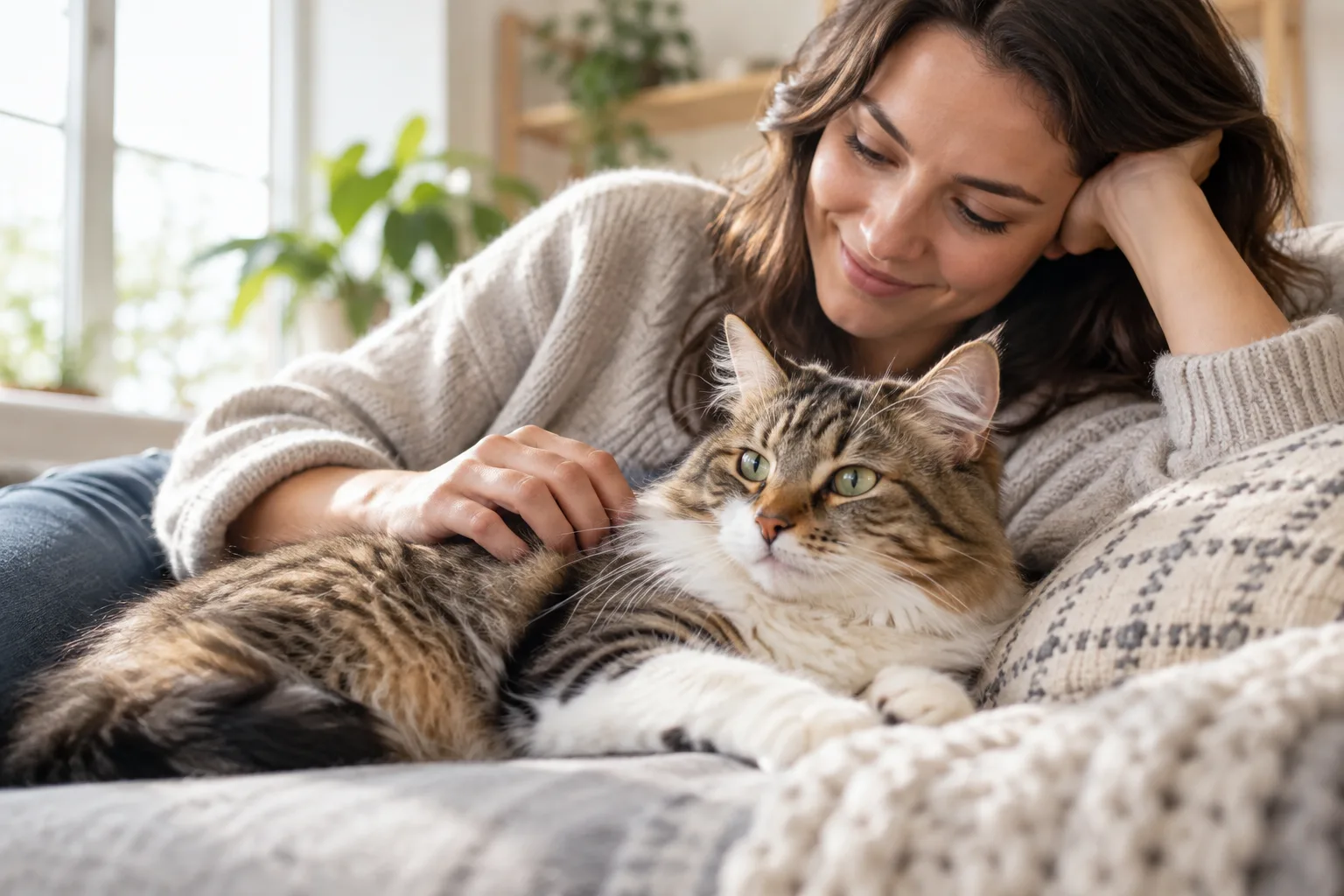
Veterinary guidance often notes that cats can show subtle signs of illness. That is a reason to pay attention to medical records and timely veterinary care—not a reason to assume an insurer will cover a condition after symptoms have already appeared.
Routine care deserves its own math — If you add wellness benefits, compare the scheduled reimbursement to the routine services you realistically expect to use. Do not treat a preventive-care allowance as proof that the accident-and-illness policy is stronger.
Make sure the quote is built for a cat, not borrowed from a dog example.
Read pre-existing language against actual visit notes and prior symptoms.
Understand deductible, reimbursement calculation, and annual limit.
Keep routine preventive care and unexpected medical risk financially separate.
Decide whether you want accident-only or accident-and-illness protection.
Review pre-existing wording before relying on any coverage summary.
Compare the benefit schedule with the preventive care your veterinarian recommends.
Save documents so you can reconstruct what was effective when a future claim is reviewed.
Insurance terms still come from the policy you buy. The sources below support the insurance and veterinary context used specifically for Cat Pet Insurance Plans.
State-regulator overview of pet-insurance coverage types, exclusions, waiting periods, deductibles, limits, and pricing factors. Context checked specifically for Cat Pet Insurance Plans.
Open source ↗ AAHA/AAFP — Feline Life Stage DefinitionsClinical life-stage definitions and age-related care context for cats, including senior status over age 10. Context checked specifically for Cat Pet Insurance Plans.
Open source ↗Use the plan map above to make sure the quote is solving the same problem you think you are buying.
Accident-and-illness plans are a major category, but accident-only and wellness arrangements also exist. The best fit depends on the risk you want to transfer and the contract terms.
Not automatically. Routine care may be excluded from the core policy or offered through a wellness benefit or separate program.
No. Normalize coverage type, deductible, reimbursement, limit, waiting periods, and exclusions first; then compare premium for genuinely comparable protection.